
How to Get SaaS Product Ideas: 7 Proven Methods for Solo Founders
7 proven methods to find profitable SaaS ideas: Reddit frustrations, YC Request for Startups, indie hacker playbooks, and validation tactics. For solo founders using AI coding tools.
You know your industry inside and out. You've seen the gaps -- the broken workflows, the tools that don't exist, the problems everyone complains about. With AI coding tools, you don't need to be an engineer to build the solution. The hard part isn't building. It's knowing what to build.
There's a lot of advice out there. In this post, we'll focus on the processes successful SaaS founders have used to come up with ideas and build them into profitable products.
By the end of this guide, you'll have 7 proven methods to find validated SaaS ideas that match your expertise -- ready to prototype with vibe coding tools.
#What Makes a Good SaaS Idea?
The best answer to this comes from Paul Graham's classic essay: How to Get Startup Ideas. From this article, a great SaaS idea is:
- Something you (and others) want: Think of a problem that constantly slowed you down at work. If you ever thought "I wish there was a tool for this," others likely felt the same.
- Something you can build: AI coding tools make this less of a hurdle than ever before.
- Others haven't recognized the opportunity: Maybe folks are frustrated by a problem but haven't turned the solution into a product yet.
It's more nuanced than three bullet points. You might want to build the next Airbnb. But the founders just wanted to rent out their couch. They started small. You should too.
Start small. Rather than aiming to be the next biggest thing, aim to be the best at one small thing.
What should you build? Paul Graham says to ignore two mental filters that kill good ideas:
-
The "sexy" filter: Forget flashy consumer apps. The real money is in solving boring problems. Think: expense tracking for small law firms, inventory management for bakeries, appointment scheduling for HVAC companies. These aren't exciting -- but customers will pay $50-200/month to avoid the headache.
-
The "schlep" filter: A tedious, awful task everyone avoids. If everyone hates doing a certain process, that's your opportunity. Stripe is the classic example: setting up billing on ecommerce sites was a tedious, painful job. Stripe took that schlep and made it easy. Now millions of companies use it.
You have the criteria. Now let's find that idea.
#The Paul Graham Recipe for Solo Founders
Paul Graham (PG) writes that "the way to get startup ideas is not to try to think of startup ideas." Find a problem no one else has solved. If you've personally experienced it, even better.
#Just Start Building
"The best way to discover startup ideas is to become the sort of person who has them and then build whatever interests you." Vibe coding tools have dramatically lowered the barrier to build an MVP. 95% of startups fail. You'll have failures too. The key is failing fast -- in days, not months.
Action: Pick a problem that bugs you. Build an ugly MVP this week. Launch it publicly. If no one wants it, move on fast.
#Stick to Your Domain Strengths
Your personal experience is your superpower. Building a SaaS on what you know beats jumping into an unknown field. What do people in your industry need?
#What's Missing in Your World?
Have you ever thought "I'd pay someone to fix this"? Maybe that someone is you. Reach out to others in your field and find out if it's a market gap you could fill.
#Is There a Niche the Big Players Are Missing?
Is there an unmet need that large companies overlook? Maybe they think it isn't "big enough" to pursue. But perhaps it's just big enough for a solo founder to get a foothold.
#Live in the Future, Then Build What's Missing
Live in the future: Join Discord servers, follow builders on X, test new AI tools daily. Stay on the cutting edge of your field so you spot problems before they're obvious.
Build what's missing: When you see a gap forming, build for it now. The future of your field will create needs for tooling that doesn't exist yet. Start now and you'll be there when demand becomes urgent.
You have the framework for evaluating ideas. Now you need to find them. Here's where successful founders go hunting.
#Mine Reddit for Pain Points
Reddit is your focus group of thousands. Founders complain openly about real problems. Each complaint is a potential SaaS idea.
#The Iceberg Effect: One Complaint = 26 Silent Customers
For every founder who complains on Reddit, 26 others have the same problem. That one Reddit post complaining about a broken workflow? It's proven demand hiding in plain sight.
#Direct Feedback Channels
Already have an MVP? Reddit communities full of founders are an excellent place to get early feedback and suggestions.
You can find ideas on many subreddits. If you're in a specific domain, there's probably a subreddit for it. Here are some go-to channels:
r/SaaS
With 203k users and 15,000 posts a week, r/SaaS is a font of knowledge and conversation. A top post analyzed 9,300+ "I wish there was an app for this" posts and found most frustration posts happen Mondays and Tuesdays.
Use critical thinking though. Many of the complaints in the post ("recipe posts are too long") aren't SaaS-worthy problems. Pull the nuggets of insight and ignore the rest.
r/Entrepreneur
PG warns against entrepreneurship classes -- you learn by doing, not studying terms. But reading the trials of other entrepreneurs can sharpen your approach. With ~500k members, you'll find ideas and hard-won experience from people at every stage.
r/Startups, r/Marketing, r/SaaSMarketing
Don't wait until launch to think about payments or marketing. Reading these subs as you build keeps you thinking about better ways to sell your product. Posts here can kickstart slogans or product names while you're still building.
Filter Reddit advice through common sense. Many posts are AI-generated noise.
Action: Join r/SaaS and r/Entrepreneur today. Spend 30 minutes reading top posts from this week. Bookmark 3 problems worth solving.
#YC's Request for Startups
Y Combinator is one of the most well-known startup incubators. They publish a Request for Startups page listing problems they want solved. Think of this as a pre-vetted list of SaaS ideas -- if YC wants to fund it, there's market demand. The Spring 2026 list weighs heavily on AI products.
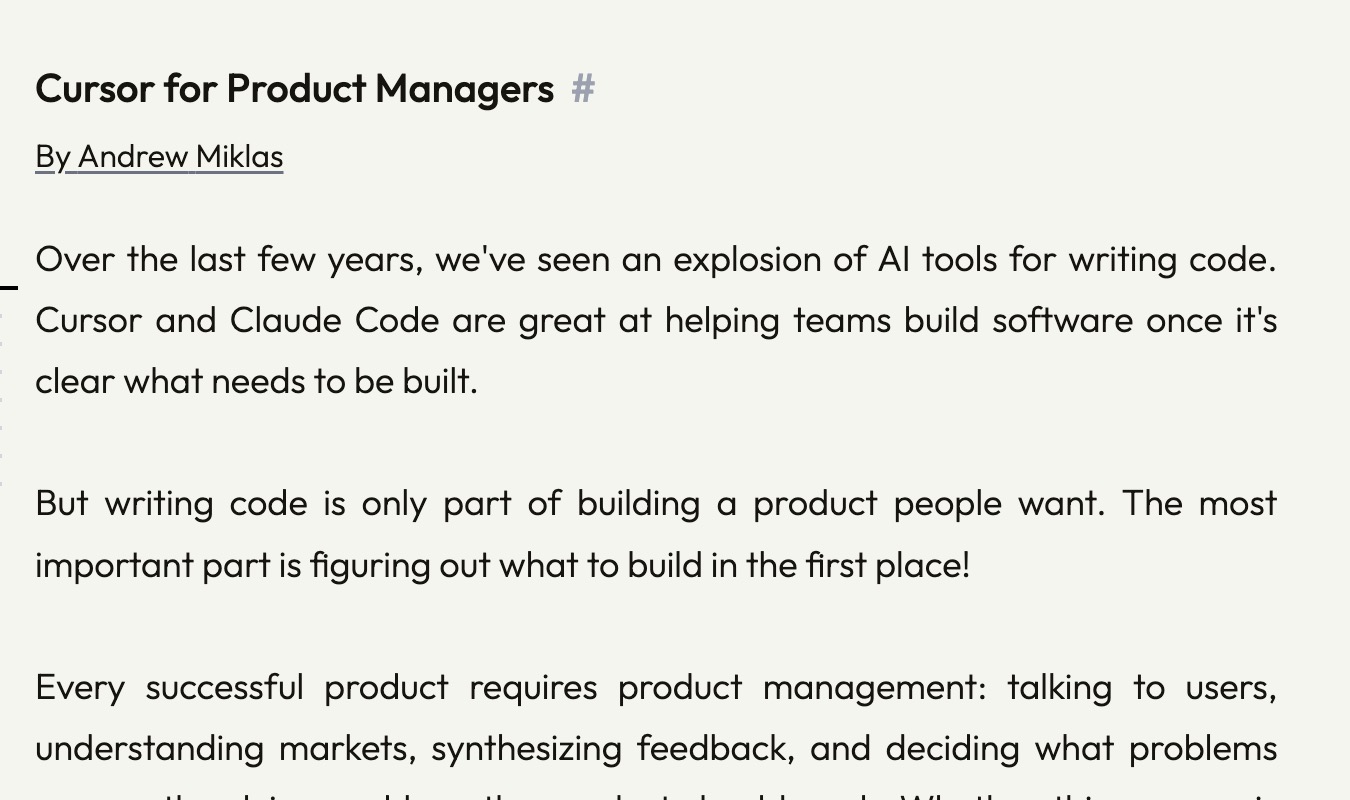
The Spring 2026 list highlights AI-native product development tools -- the exact category powering the vibe coding movement. This investor interest confirms growing demand for tools that help non-engineers build software. The screenshot above actually describes the tools being built here at BrainGrid.
Browse previous RFS entries too. They reveal where smart money sees market gaps. If YC wants to fund startups in these fields, customers are ready to pay for working solutions.
Action: Read YC's RFS page. Pick one problem that matches your domain expertise. That's your starting point.
#Learn from Serial Indie Hackers
Indie hackers build fast, launch ugly, and iterate based on revenue. They ship 10 products to find 1 winner. Learn their patterns to avoid wasting months on bad ideas.
#Levelsio
Pieter Levels @levelsio has created multiple startups with combined monthly revenues of ~$250k. His most famous products are RemoteOK and NomadList.
In a 2023 interview, he says "indie hacking" no longer exists, but has evolved into entrepreneurship. What used to be hacking is now just the way companies are formed.
He talks openly about his failures. He built a fancy YouTube analytics platform that no one wanted. His takeaway: "quick and dirty" MVPs work best. Super-polished means you've spent too much time on features people might not want. Get feedback on the MVP first, then build based on what you've launched.
#John Rush
John Rush is another prolific SaaS founder who builds in public on Twitter and Substack.
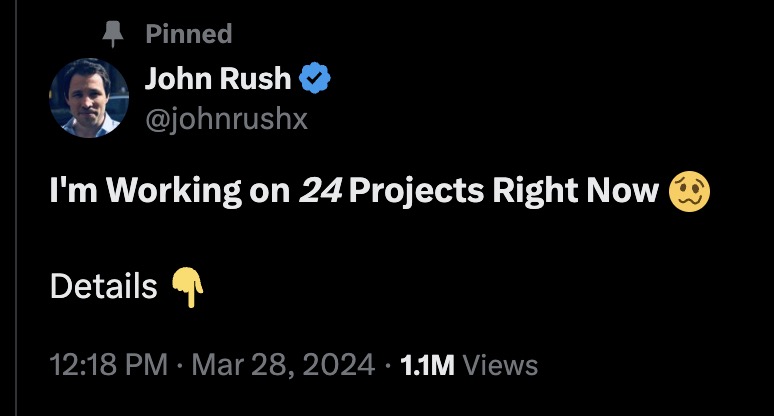
His 24 SaaS projects generate $2M ARR combined. His 3-month playbook to $10k MRR:
- Find a popular SaaS, and identify one sector of their audience.
- Learn about their pain points in a popular feature in that SaaS.
- Begin conversations -- build a following -- while learning about the pain point.
- Launch a waitlist for the fix.
- Build the MVP.
Key insight: Rush validates demand before building. He creates 5 waitlists, then builds only the one with the most signups.
You don't have 114k followers. So adjust: build 3 waitlists featuring your ideas. DM 50 people individually. Manual hustle beats viral tweets when you're starting out.
#Tools for Systematic Idea Discovery
Beyond manual research, AI-powered tools can accelerate the process. IdeaBrowser delivers a fresh SaaS idea every day, scoring each on Opportunity, Problem, Feasibility, and "Why Now" timing. It also integrates directly with vibe coding tools to help you start building right away.
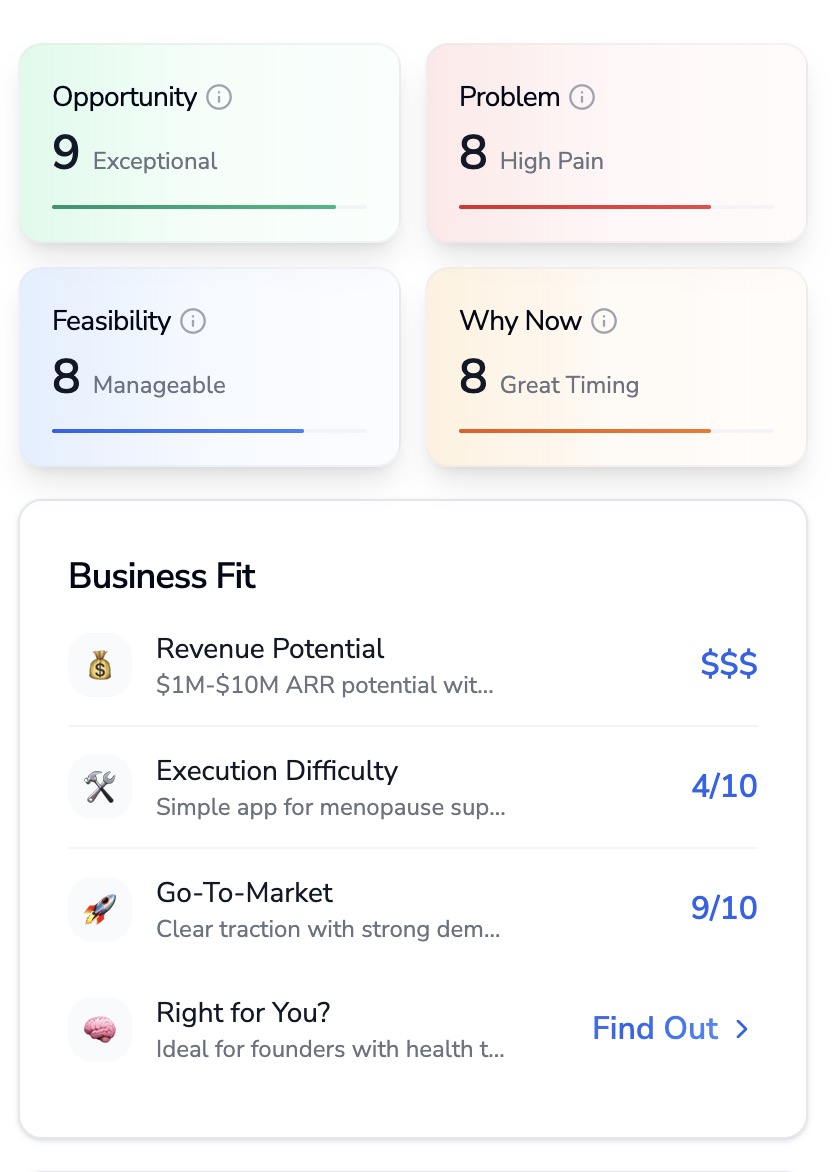
Warning: You won't be the only reader. If you build an IdeaBrowser suggestion, narrow it down. Don't build "AI resume builder" -- build "AI resume builder for nurses re-entering the workforce after career breaks." The more specific your audience, the less competition you'll face. Kaleen Canevari did exactly this -- a Pilates instructor who built a multi-tenant studio management platform for her exact domain.
#Validate Before You Build
This is the step most founders skip -- and it's why most fail. SaaS products rarely fail because they're poorly built. They fail because no one wants them. Validation prevents this.
John Rush's waitlist approach works well here. Build landing pages for a few different ideas. Each page explains the problem and promises a solution. Add a waitlist signup form and promote in relevant communities (Reddit, LinkedIn groups, Discord, and forums). The idea with the most signups wins -- build that one.
But don't fixate on raw signup numbers. Most solo founders don't have 100k followers to drive traffic. Focus on the quality of responses instead. Are people DMing you asking when it launches? Are they sharing the page with colleagues? Are they describing exactly how they'd use it? A handful of passionate, specific replies is a stronger signal than a hundred casual signups.
By communicating on social media, you get a feel for what features potential customers are missing. Listening to their needs helps you prioritize "what's next" on the feature list -- and tells you whether you're solving a real problem or an imagined one.
#Your SaaS Ideation System: Next Steps
You now have 7 proven methods for finding SaaS ideas:
- Personal experience -- Problems you've faced in your domain
- Paul Graham's framework -- Unsexy problems, schlep opportunities, living in the future
- Reddit mining -- Real pain points from r/SaaS, r/Entrepreneur, and niche subreddits
- YC's Request for Startups -- Investor-validated categories
- Indie hacker playbooks -- Levelsio and John Rush's processes
- AI discovery tools -- IdeaBrowser and daily idea scoring
- Validation tactics -- Waitlists, pre-selling, and conversations
What to do this week:
- Pick 3 pain points from your domain experience.
- Search Reddit for similar complaints using the subs listed above.
- Create landing pages for your top 2 ideas.
- Share them in relevant communities and track the engagement.
Don't wait for the perfect idea. 95% of startups fail, so better to figure that out when you've invested days, not months. Launch early, iterate fast, and pivot when the data tells you to.
Once you've validated an idea and gathered feedback, turn those insights into a structured product plan. That's where tools like BrainGrid help -- transforming feature requests and customer feedback into detailed requirements and build-ready tasks for your AI coding tools.
In a coming post, we'll walk through taking a validated idea from waitlist to shipped MVP using vibe coding tools and BrainGrid.
#Frequently Asked Questions
#How do I find a good SaaS idea?
Start with problems you personally experience in your domain of expertise. The best ideas come from noticing gaps rather than brainstorming solutions. Monitor communities like Reddit where people share frustrations, and validate demand before building anything.
#What are some micro SaaS ideas?
Popular micro-SaaS categories include AI-powered tools. Instead of general resume builders or content generators, build for a specific category of user. Instead of general automation tooling, automation for specific industries (real estate, restaurants). Create features unbundled from larger platforms. Focus on serving one sub-audience exceptionally well rather than building for everyone.
#How do I validate a SaaS idea without coding?
Create a landing page with a waitlist signup before writing any code. Share your problem hypothesis in relevant communities and gauge responses. Consider pre-selling access or running "smoke tests" with "coming soon" buttons to measure interest. Build a raw MVP tool, and gauge the response.
#Can you build a SaaS by yourself?
Yes—the micro-SaaS model is designed for solo founders. Successful products often generate $5,000-$30,000 monthly recurring revenue with 70-80% profit margins. AI coding tools like Claude Code, Cursor, BrainGrid, and Lovable make it faster than ever for non-engineers to ship working products.
#What does Y Combinator look for in startups?
YC's current Request for Startups prioritizes AI-native product development, financial services, agency businesses using AI, government technology, and manufacturing. These areas signal where experienced investors see market timing and opportunity, though you should narrow down to specific problems.
#How do successful indie hackers find product ideas?
Prolific indie hackers like Pieter Levels and John Rush build many small products, share progress publicly, and iterate quickly. They accept high failure rates as part of the process. Rush's playbook: find a popular SaaS, identify a sub-audience, and build one highly-used feature for that audience.
About the Author
Doug has been helping developers build across mobile, DevOps, and AI for the last 20+ years. An O'Reilly author, international speaker, and a prolific blogger, he relishes in simplifying the complex.
Want to discuss AI coding workflows or share your experiences? Find me on X or connect on LinkedIn.
Keep Reading

Ready to build without the back-and-forth?
Turn messy thoughts into engineering-grade prompts that coding agents can nail the first time.
Re-love coding with AI